



being a teen isn’t easy.
Seen & Heard is a limited series podcast about teen mental health.
One connection - with one supportive adult - can be life-changing.

This podcast is for teens — and the adults who support them
Teens: You are not alone. Listen to your peers share their stories with raw honesty and openness. Their insights might surprise you.
Adults: When teens struggle, one connection with one supportive adult can make an enormous difference. Learn from adults who have been hand-picked by our young guests. They’ve provided meaningful support. You can too.
All Listeners: You’ll come away more confident when talking about mental health and better equipped to connect with each other. And, throughout, you’ll hear from mental health professionals who will help you connect our guests' stories to your own lives.

12 episodes
4 featured guests
3 episodes each
first episode
Our featured guest.
A teen or young adult (Ellie, A.J., Brenna, Lauren) shares their story with raw honesty and openness.
second episode
A supportive adult,
hand-picked by our featured guest, shares their perspective … and … a mental health professional provides deeper insight.
third episode
Your host,
Charlotte Bausha, talks it all over with her friend and mentor, Lucy Pilcher.
episode 1.
Ellie’s summer took a painful turn when she faced a traumatic workplace experience. Back at school for her senior year, a new opportunity helped her find her footing and step toward recovery.
“I needed someone to tell me that it doesn't have to be so big. The trauma doesn't have to be everything. It can just be a little sticky note that you put in the closet.”
- Ellie

episode 2.
“Trauma can drive the need for understanding and making sense of an experience that simply doesn't make sense. And so that's really where self-blame can start, and guilt can really take hold.”
- Christina Moore

Ellie’s creative writing teacher, Stephanie, offers unexpected support without even realizing it. Christina Moore, a psychologist at Dartmouth Health, puts Ellie’s experience in a larger context.
episode 3.
Host Charlotte Bausha talks with her friend and mentor Lucy Pilcher about teen mental health and the importance of supportive connections between teens and adults. They draw further insight from Ellie’s story.
“The most important message you want that child or that teenager to get is, it's okay that you just came to me and said that. It’s OK for you to be you here. I'm not judging. There's no expectations. You can come as you are, and I'm here, and I'm safe.”
- Lucy Pilcher

episode 4.
As A.J. drifts into social isolation, he wrestles with depression and negative thoughts. He finds his way out, through new friendships, new activities focused on helping others, and new understanding of how childhood trauma shaped him.
“If I could time travel to tell myself anything, I’d probably tell myself everything’s gonna be alright. That it’ll all get better one day.”
- A.J.
episode 5.
A.J. draws strength and insight from his connection with William, who runs the restorative justice program at A.J.’s school. Caroline Christie, a social worker in both schools and health systems, offers additional insight.
“I also see teenagers … and there's some data around this, too … that feel like they should be able to manage their own mental health without outside help. And so, some shame around needing help or feeling like they don't have it all under control.”
- Caroline Christie

episode 6.
Charlotte and Lucy discuss connection, validation, and healthy coping mechanisms, with a focus on A.J.’s story.
“If you think of how hard it is to ask for help as an adult, doing it for the first time and as a teenager is always going to be hard. It's taking some bravery, some courage to take that step.”
- Lucy Pilcher
episode 7.
Brenna doesn’t expect anyone to fix her OCD. She wants validation and spaces where she feels safe to be herself.
“You don't always need to take a superhero role and like fix things. Just to be there in any acknowledging capacity can make a really big difference.”
- Brenna
episode 8.
One of Brenna’s teachers, Peter, lets her eat lunch in his classroom and checks in with her regularly. Brenna remembers Peter’s support years later. Sarah Clark, a psychologist at Dartmouth Health, offers additional insight on the needs of teens like Brenna.
“Validation, I think, was one of the most important things, to let her know that, yeah, we all struggle with things, and your struggles are real, and they're hard. They're very, very hard.”
- Peter
episode 9.
With a focus on Brenna’s experience, Charlotte and Lucy contrast how society talks about mental and physical health, and the negative impact that difference can have on how people with mental health diagnoses see themselves.
“When you think about mental health, it can take up so much space because it impacts how you move through life every single day. And it can feel like that is the most important or most powerful piece of you.”
- Lucy Pilcher
episode 10.
After a difficult family experience, Lauren is ambushed by traumatic flashbacks at school. She learns several practices that she can do on her own that prove surprisingly powerful.

“I used to think, why did this happen to me? And now I know, it happened to me so I could be here.”
- Lauren
episode 11.
“We have to confront our trauma. We have to be able to speak about it. We have to be able to understand our feelings related to it and the beliefs and the ways in which it's affected us, in order to move through it, and to get to a place where we can live the lives that we want.”
- Kay Jankowski
Kay Jankowski, a psychologist at Dartmouth Health and expert in childhood trauma, deepens our understanding of Lauren’s story.
episode 12.
Charlotte and Lucy explore how teens in social isolation often face a ruthless critic: themselves. They share some additional thoughts about Lauren’s story, and close out Seen & Heard.
“I think as adults, we have to like check our own egos and recognize that we don't have all the answers, but that we can offer ourselves.”
- Lucy Pilcher
key takeaways
We've come up with a list of the most important messages to get out of this podcast — for teens and for supportive adults — the same ideas we've talked about across all 12 episodes.
Meet the Team
-
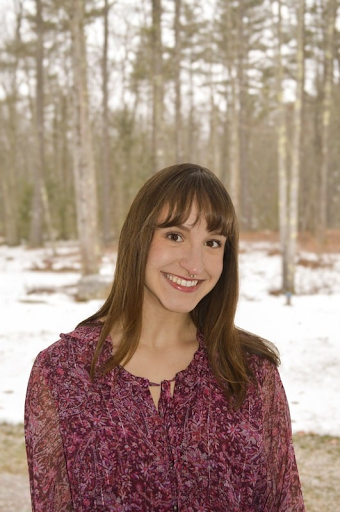
Charlotte Bausha (she/they)
HOST, INTERVIEWER, SCRIPT EDITOR
Charlotte is a research assistant at Dartmouth Health’s Trauma Interventions Research Center. Drawing from their B.A. in psychology and experiences as a queer and neurodivergent individual, Charlotte is dedicated to promoting empathetic, affirming, and inclusive mental health care. Charlotte is pursuing a PhD in school psychology.
Charlotte was motivated to create Seen & Heard because it encourages individuals to voice their adolescent experiences and engage in profound intergenerational conversations. They hope Seen & Heard will embrace listeners, facilitate powerful discussions, and promote engagement in services. Outside of work, Charlotte enjoys running, yoga, rock climbing, and horseback riding. They also have two pugs, Ila & Ferdinand. -
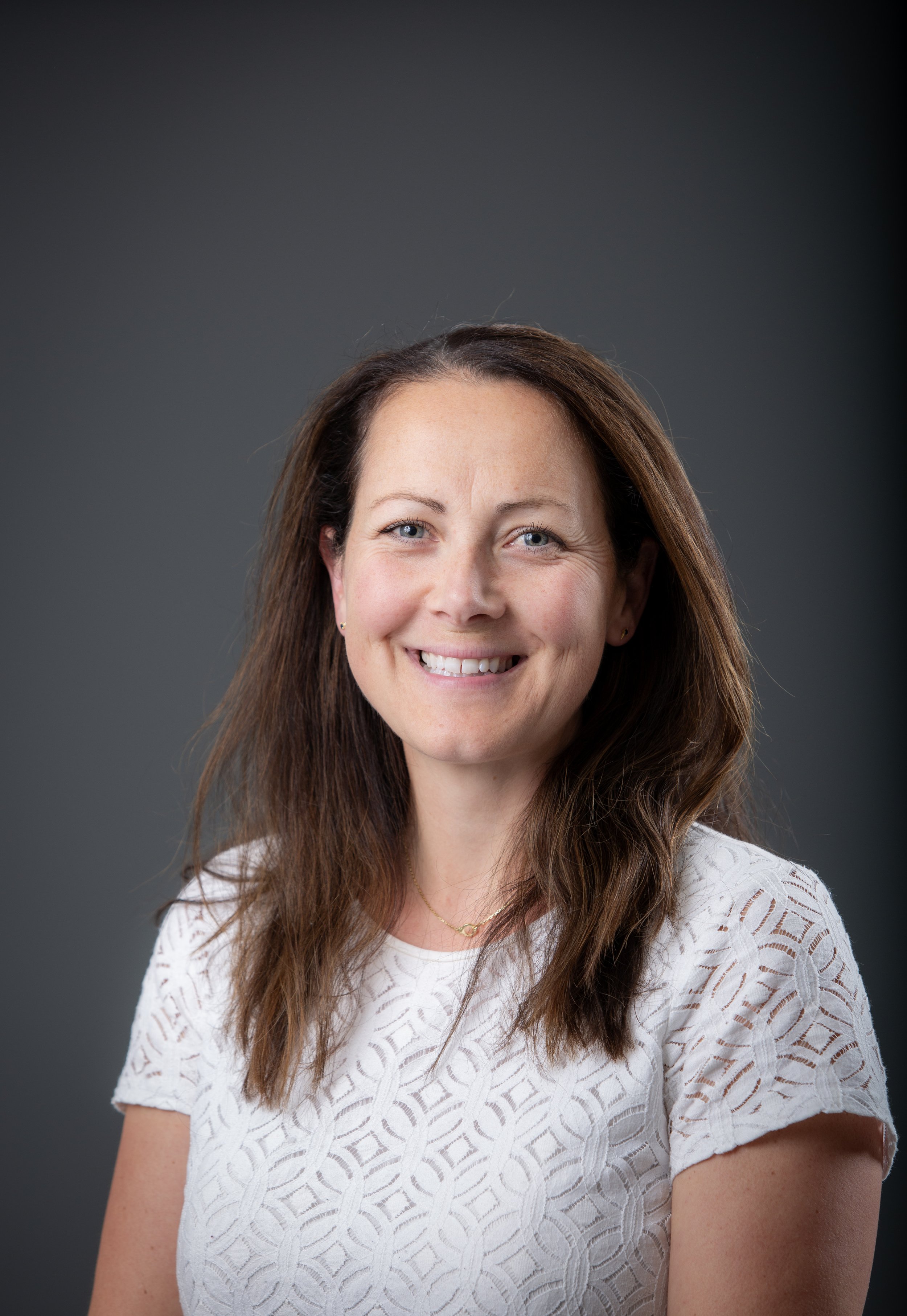
Lucy Piltcher MSW, LICSW (she/her)
GUEST, INTERVIEWER, CLINICAL SUPPORT
Lucy is a licensed clinical social worker who focuses on clinical mental health and substance use disorders. Lucy has experience working with people across the lifespan and spent many years working with children and adolescents who experienced trauma and mental health conditions alongside other stressors. More recently Lucy has focused her work with people experiencing cooccurring mental health and substance use disorders. Lucy has a particular interest in intergenerational trauma and substance use, building resilience through community and strengths based approaches to care. Lucy believes in the importance of human connection at all stages of life and recognizes that by listening and learning from one another we can create stronger communities and support individuals to find meaning in their lives. Lucy is excited about participating in Seen and Heard and creating a platform for young people to share their stories and gain strength from one another. In addition to being a therapist, Lucy is a mum of 3 young children, an avid trail runner and enjoys baking as a creative and therapeutic outlet.
-
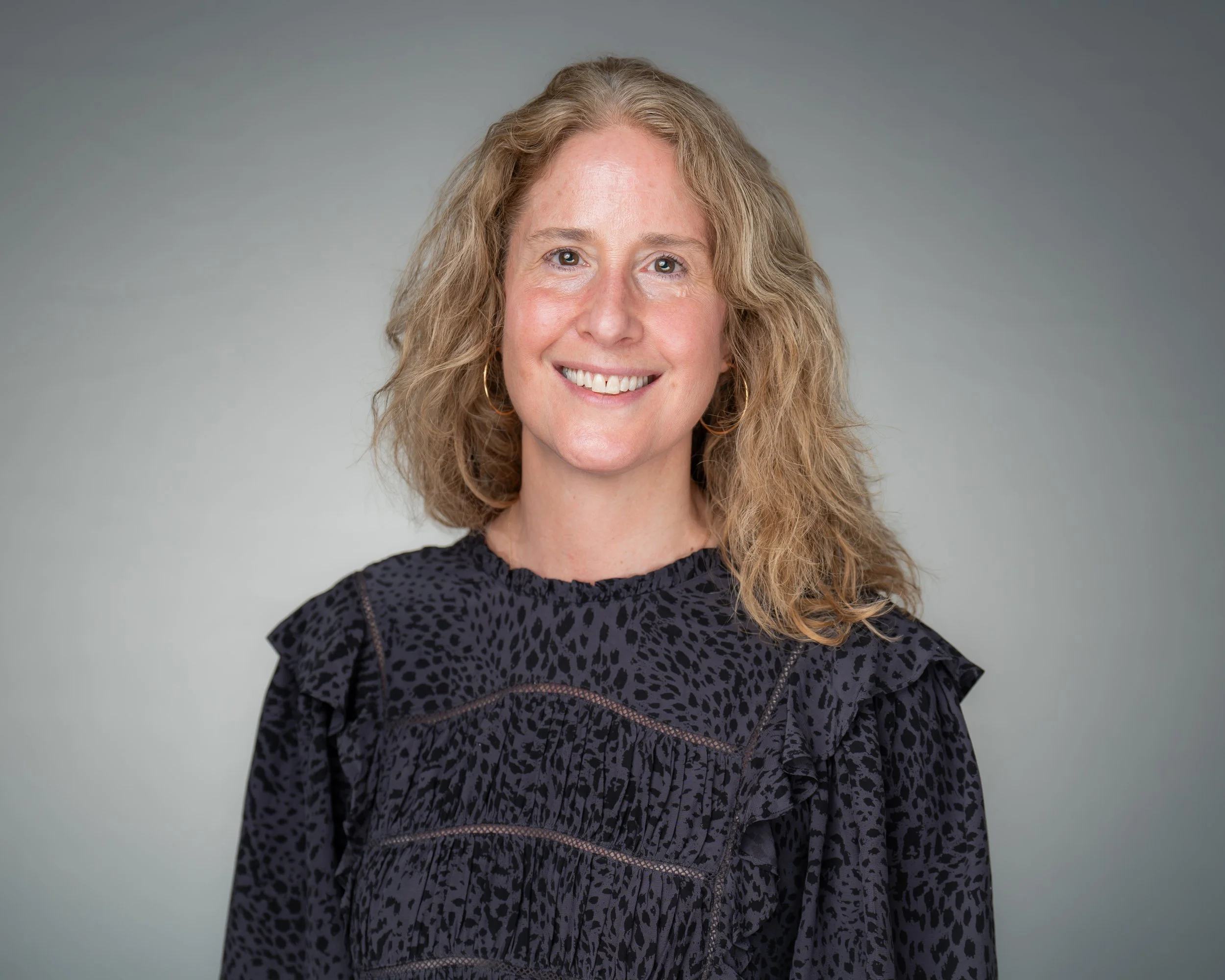
Kay Jankowski PhD (she/her)
GUEST, EXECUTIVE EDITOR, CLINICAL SUPPORT
Kay is a clinical psychologist and director of the Dartmouth Trauma Interventions Research Center in the Department of Psychiatry at Dartmouth Health. She has spent much of her career focused on attempting to improve access to quality care for youth and families experiencing trauma and mental health distress. Outside of work, Kay enjoys practicing yoga and cycling through the beautiful roads of Vermont and New Hampshire.
-
Julie Balaban M.D. (she/her)
INTERVIEWER, CLINICAL SUPPORT
Julie is Child and Adolescent Psychiatrist. Currently working at Dartmouth Health, Julie has a long career devoted to supporting and treating families who are managing mental health problems. In addition to working directly with people, Julie has also been committed to networking with professionals, schools and other invested community members to support youth and families.
She is excited about Seen and Heard bringing real life experiences to others who might benefit from hearing stories that speak to their own circumstances.
-
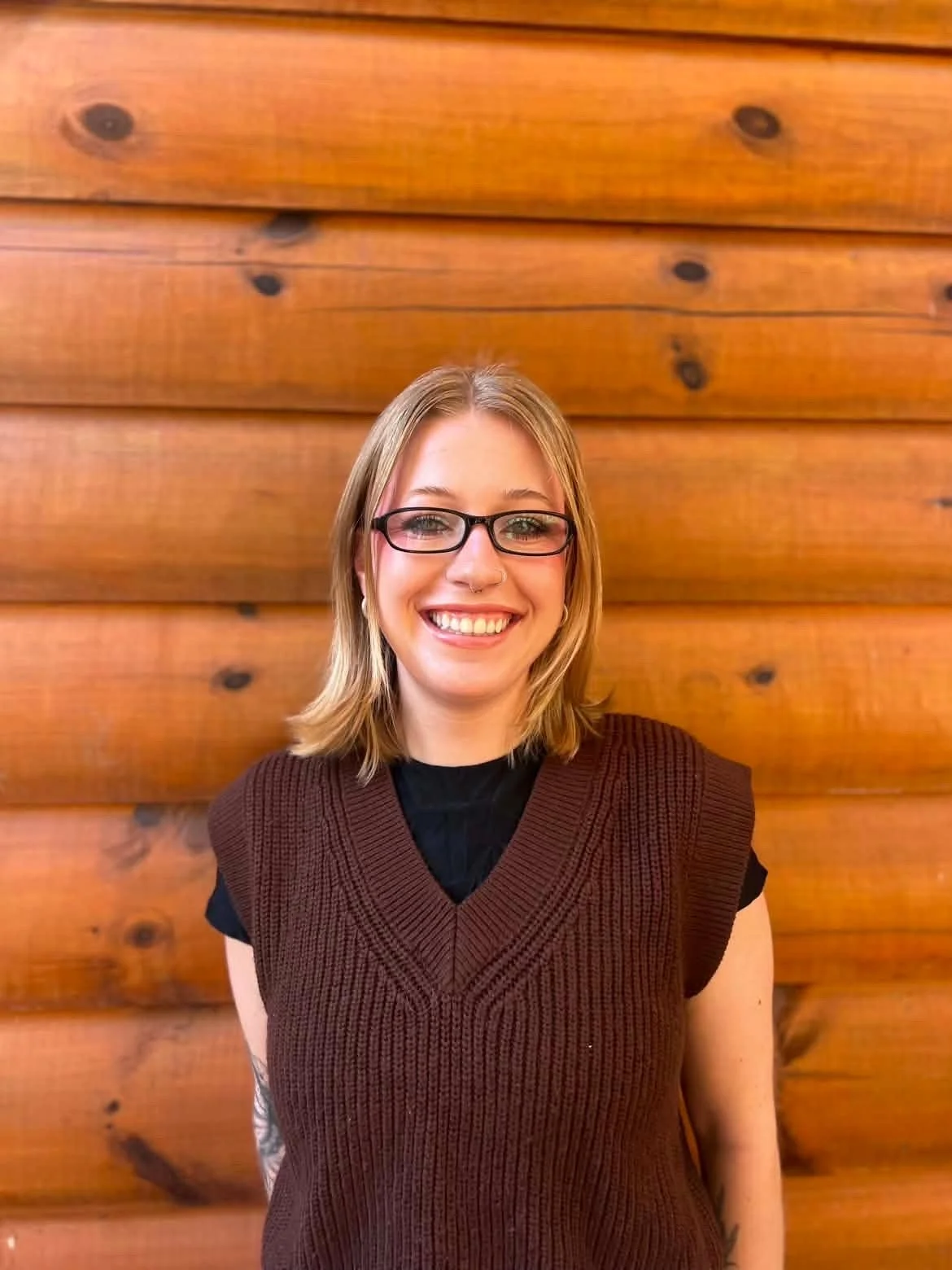
Hanna Brooks (she/her)
YOUNG GUEST RECRUITMENT
Hanna is a Community Health Partnership Coordinator at Dartmouth Health. In her role, she works under two Regional Public Health Networks (ALL Together and Greater Sullivan County Public Health Network) to engage youth in schools and support the community with substance misuse, mental health, and suicide prevention needs. Hanna lives in Claremont, NH with her partner and 2 cats, and is passionate about creating safe spaces for youth to thrive, as well as building meaningful connections with others. For these reasons, Hanna is excited and grateful to be a part of Seen and Heard.
-
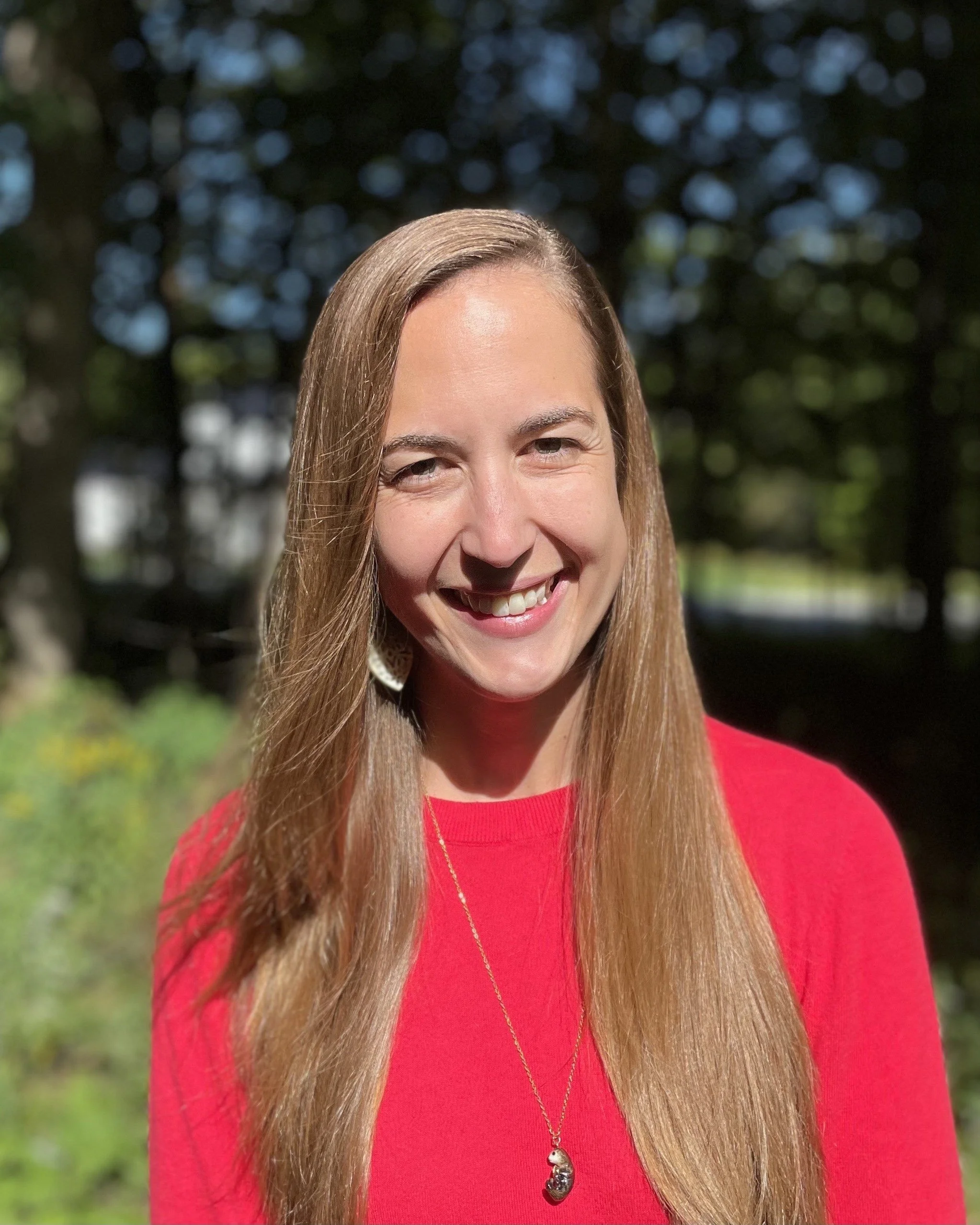
Logan Paluch MEd, MPH (she/her)
GUEST RECRUITMENT & COMMUNICATIONS
Logan is a Project Manager at the Dartmouth Trauma Interventions Research Center. She works on grant funded projects focused on supporting youth mental health and families affected by substance use. She is passionate about creating opportunities for kids to thrive and believes that the power of the youth voice and experience can and will help make our world a better place.
Outside of work at Dartmouth, Logan runs a small toy store in Rutland, VT and enjoys skiing and spending time outside with her partner and three dogs.
-
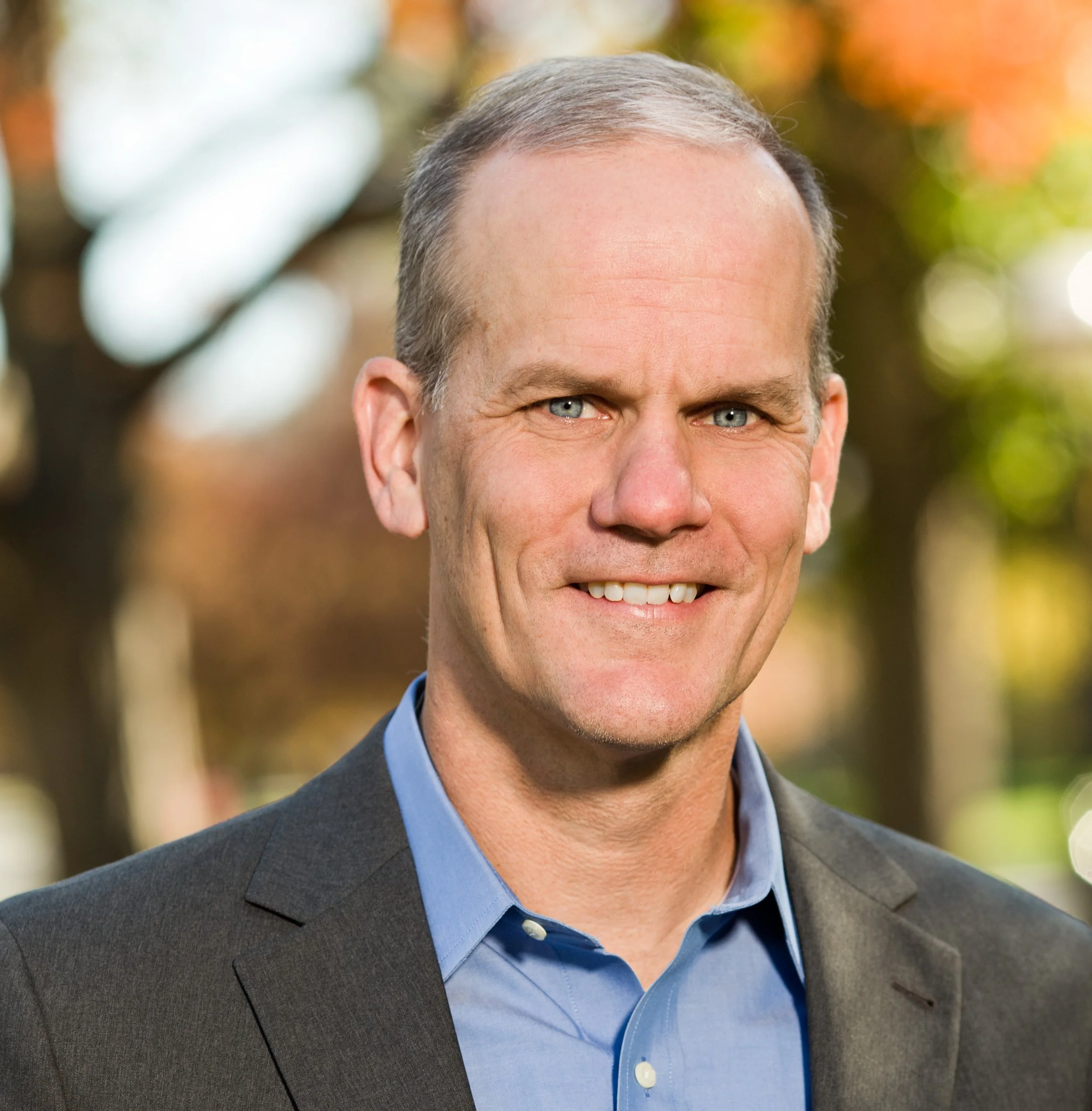
Chris Trimble MBA (he/him)
PRODUCER, SCRIPT WRITER, AUDIO EDITOR, COMPOSER
Chris Trimble loves podcasts. So, after 17 years as a business school professor and then a mid-life choice to go back to college to study music composition,
Chris founded Treehouse Audio Productions. Treehouse produces limited-series podcasts for clients who have something important to say to a specific audience. Chris has produced podcasts focused on mental health, medical decision making, health policy, innovation, diversity in organizations, and operations management.
looking for more support?
We’ve put together some helpful resources for teens and supportive adults alike! Click the button to learn more.